Previous: Riverside Walk: Bridges, Angel Square and the Vilnelė
Credits: Užupis photo archive
Start with the threshold.
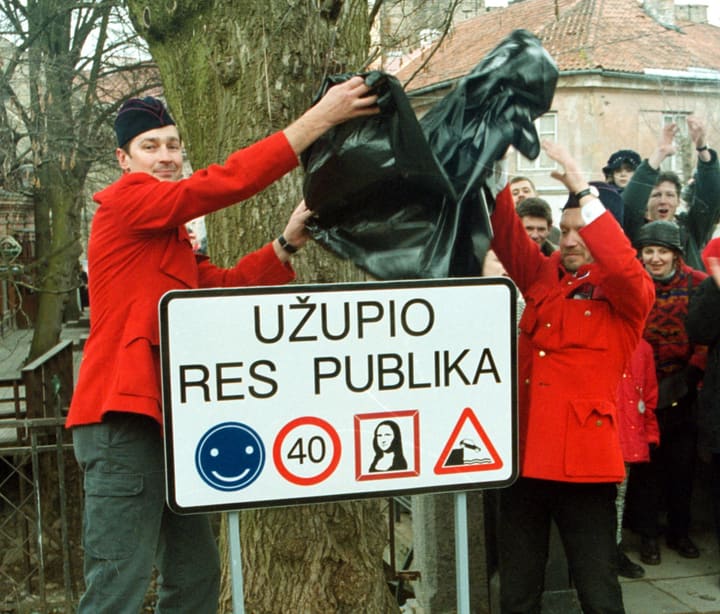
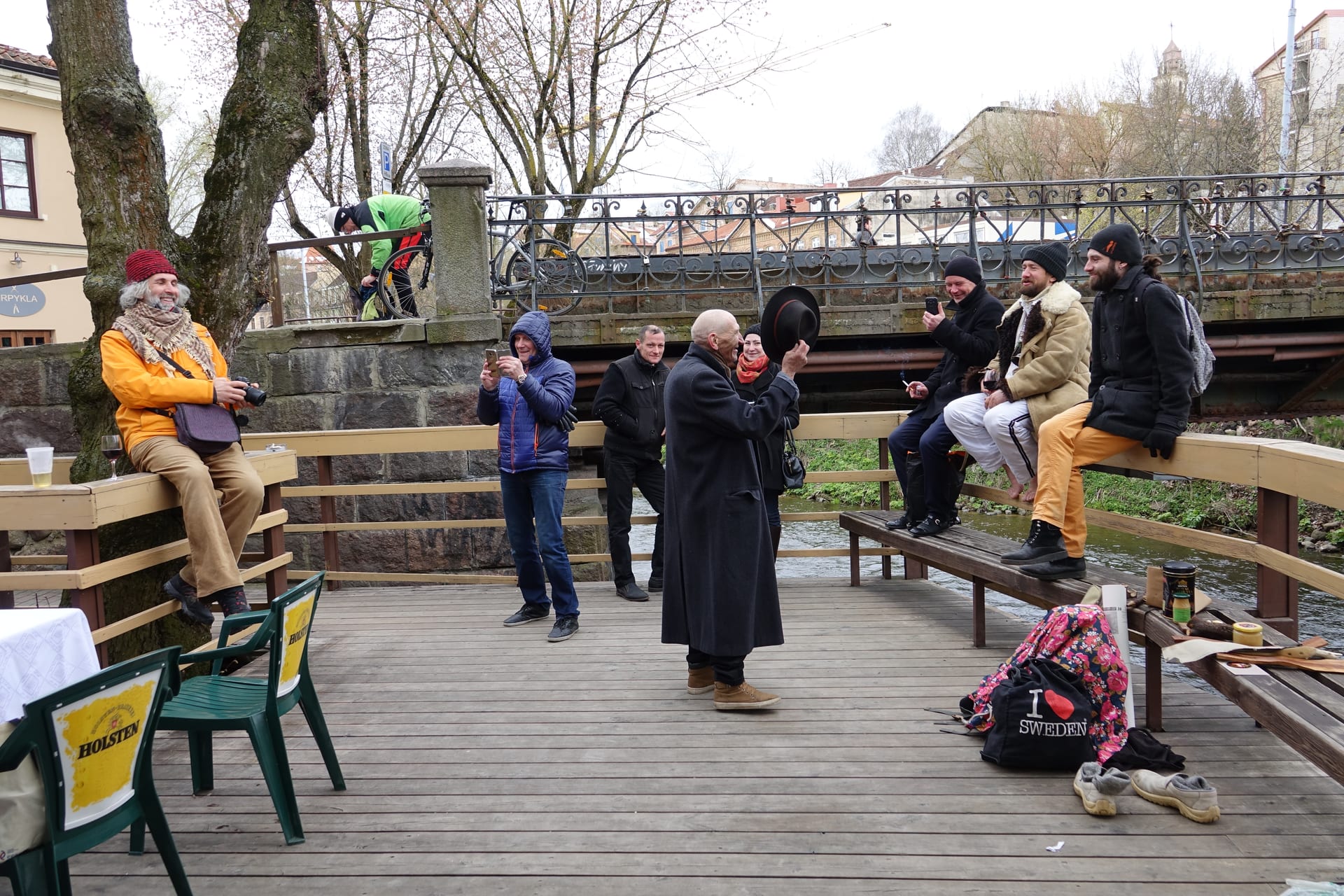
A walk through Užupis begins best at a bridge. The crossing gives the district its simplest story: a short movement across the Vilnelė into a republic that treats ordinary streets as civic theatre.
Keep the route compact. Cross slowly, follow the street toward Angel Square, read the Constitution Wall, then return toward the river when the walk needs air.
Bridge to Angel Square
From the main bridge, move toward Angel Square without rushing. This short stretch carries the visitor from the river edge into the public centre of the republic.
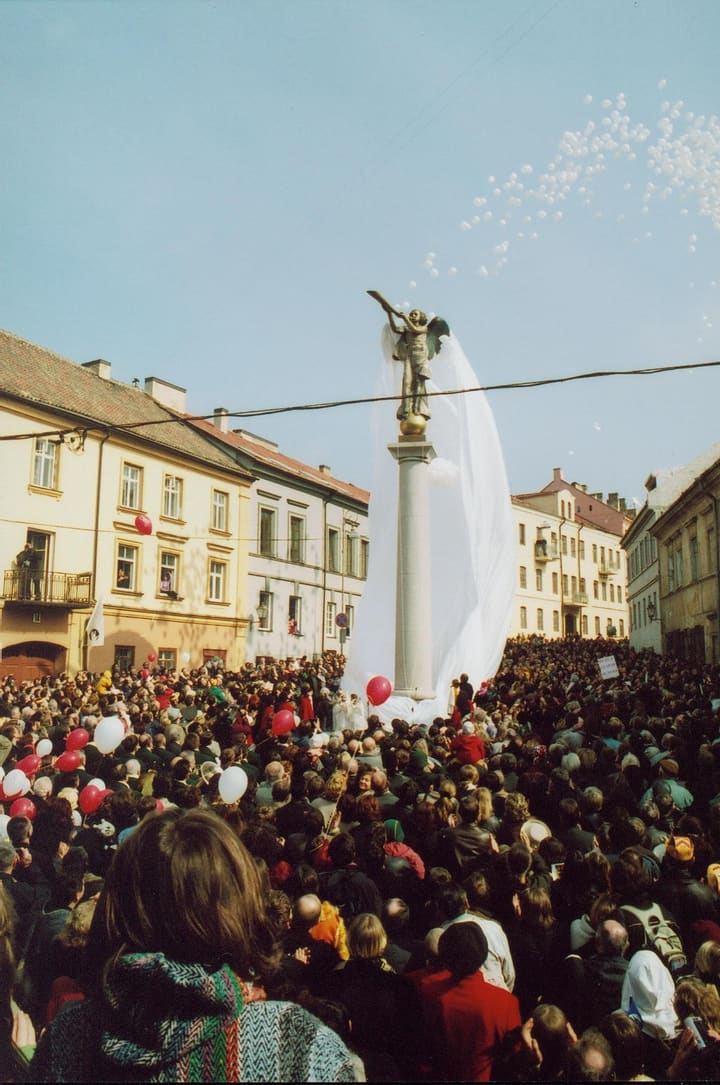
The Angel is a meeting point as much as a monument. It anchors ceremonies, routes, photographs and the everyday act of agreeing where to meet.
Read the Constitution Wall
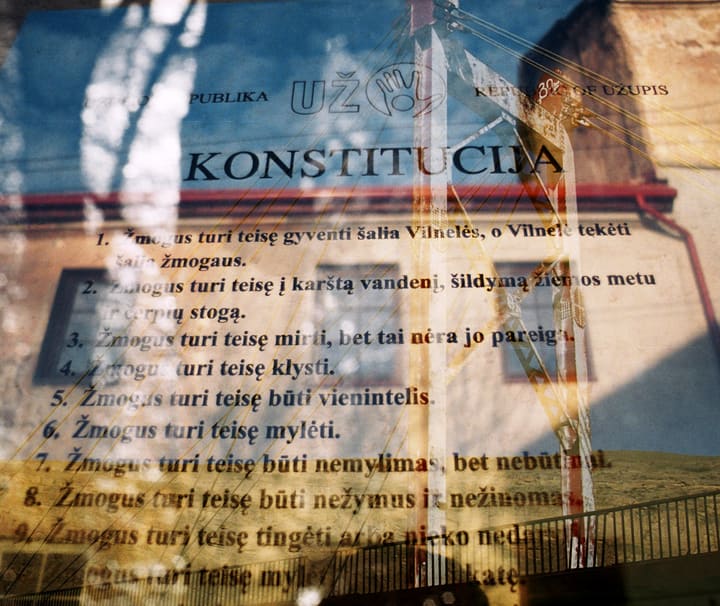
Turn toward Paupio Street for the Constitution Wall. The text is short, but the wall makes it spatial: rights become something to encounter in public, line by line and language by language.
Read a few plates carefully instead of trying to collect them all. The wall works when the words stay connected to the street around them.
Let the courtyards slow the route
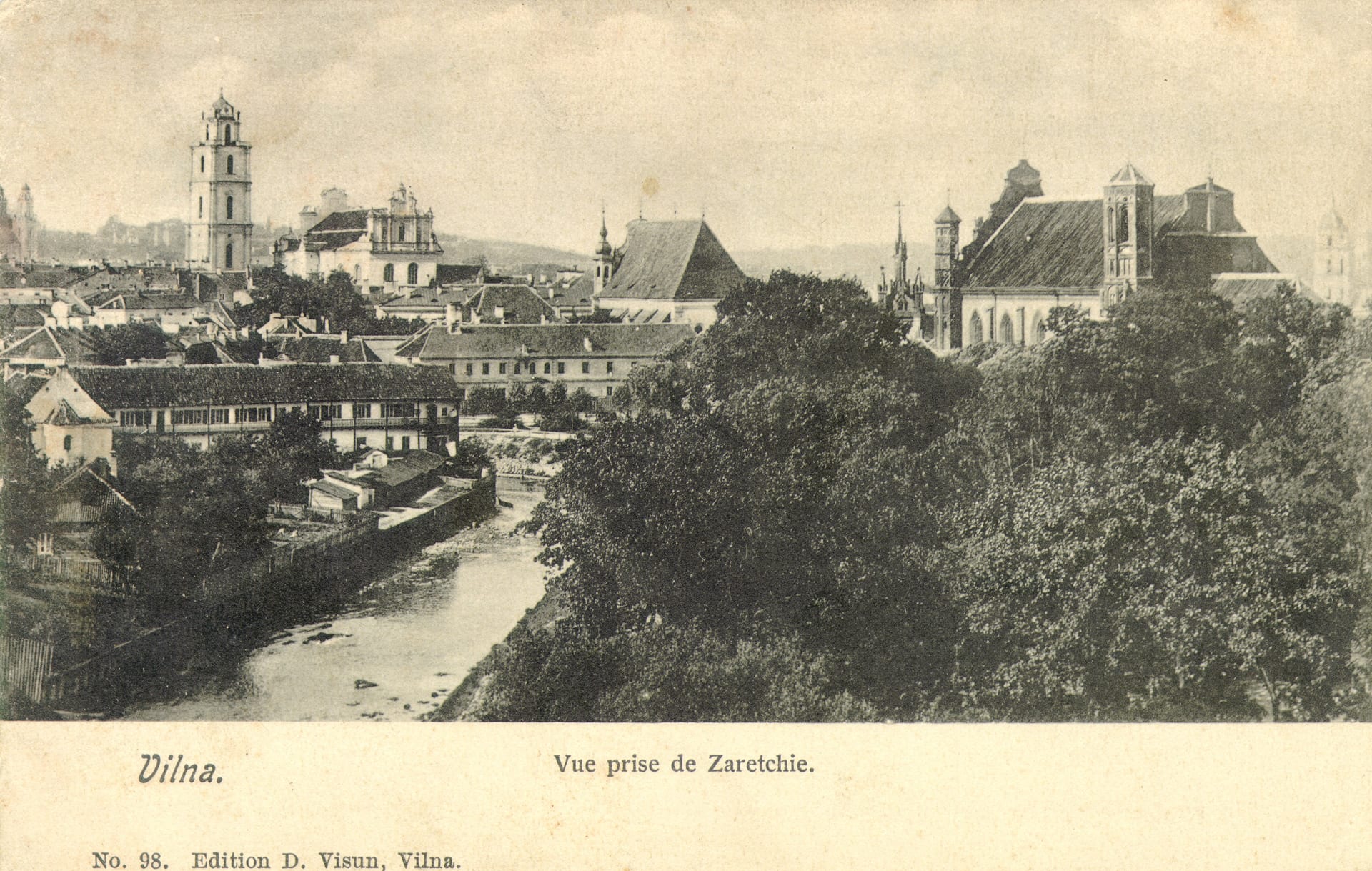
The shortest route is rarely the most useful one. Side streets, thresholds and courtyards give the walk its scale, especially when the district is busy around the main square.
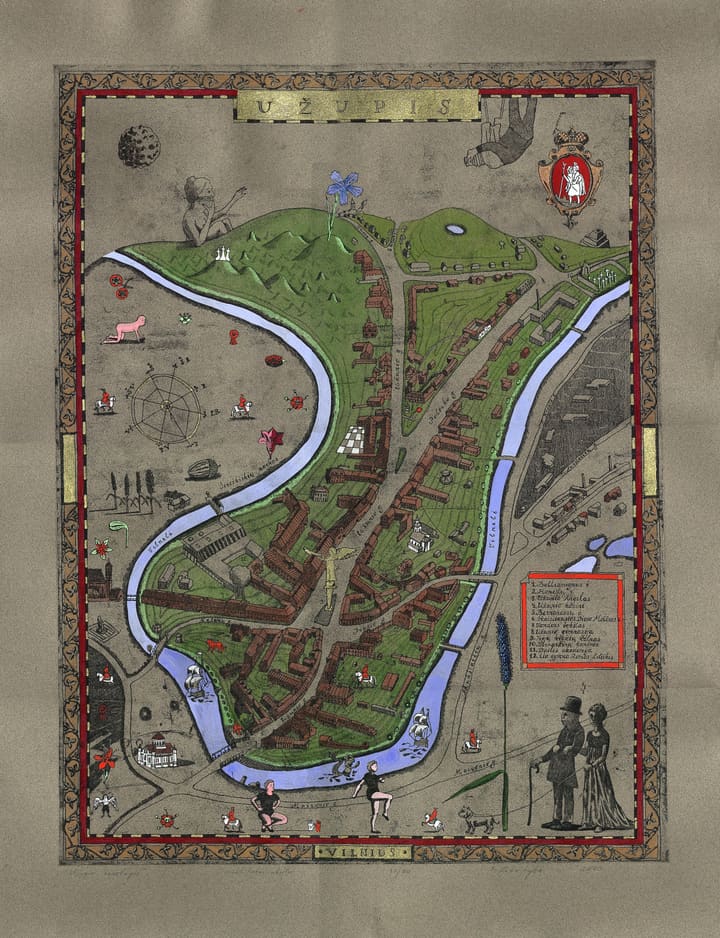
Use the map as a loose guide rather than a script. Užupis is small enough to recover from a turn that was not planned.
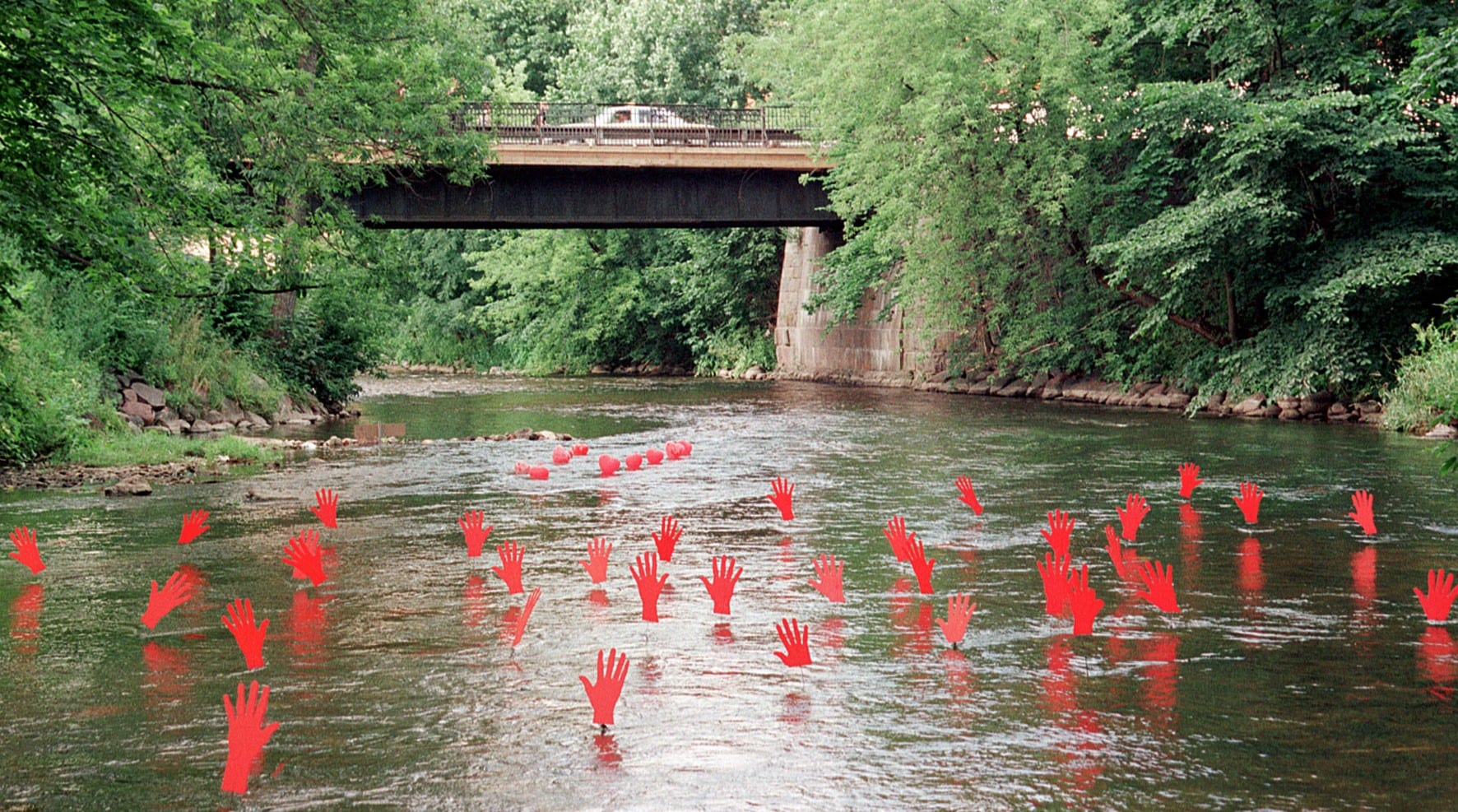
Galera and the working edges
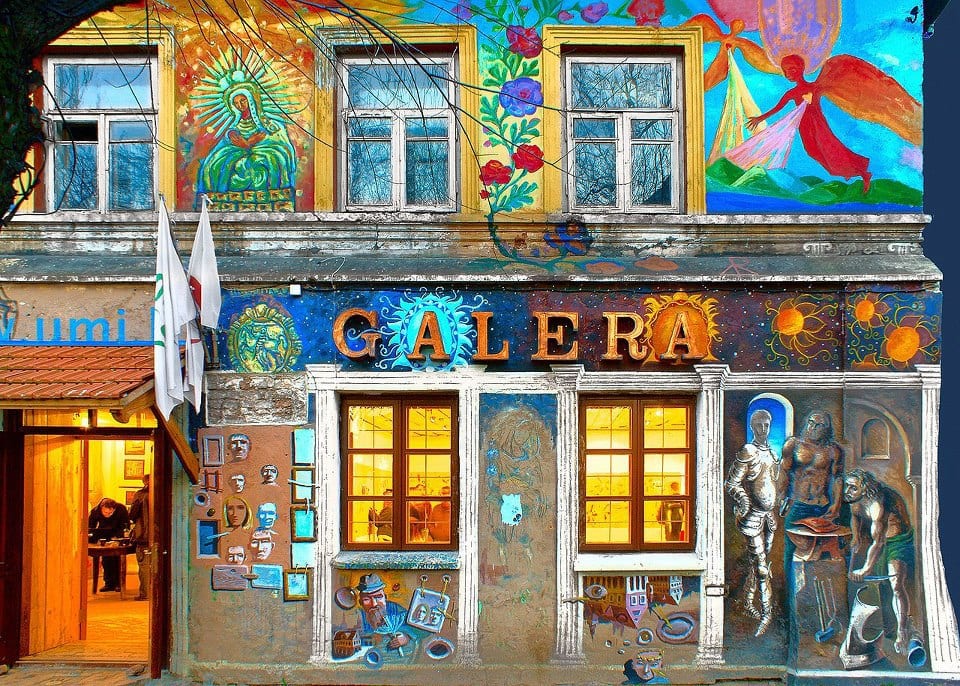
Galera and the surrounding creative spaces keep the walk from becoming only a monument route. They point back to the studios, gatherings and practical work that made the republic visible.
Some places are active community spaces rather than display objects. Treat the route as a visit to a living neighbourhood.
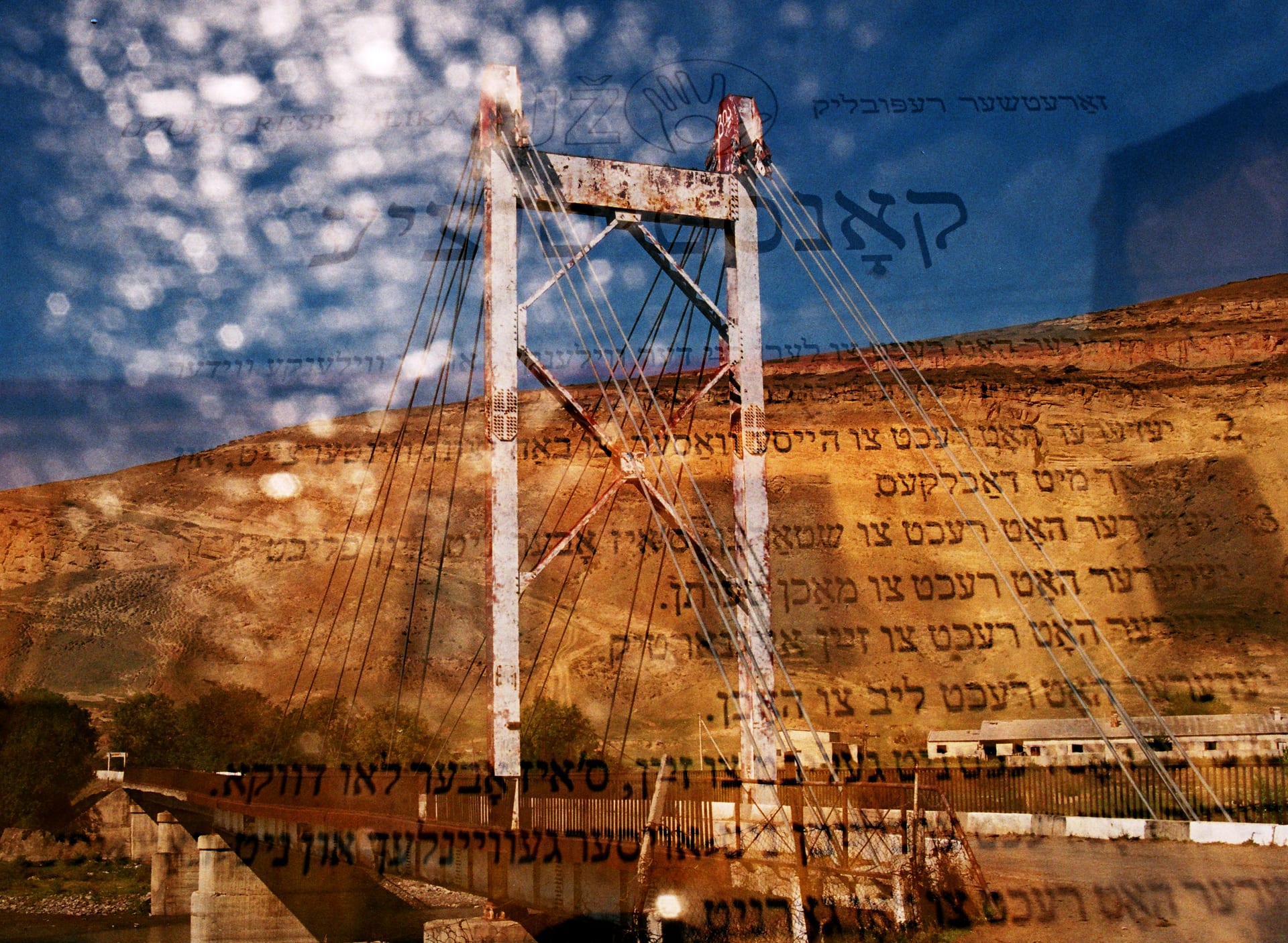
Return to the water
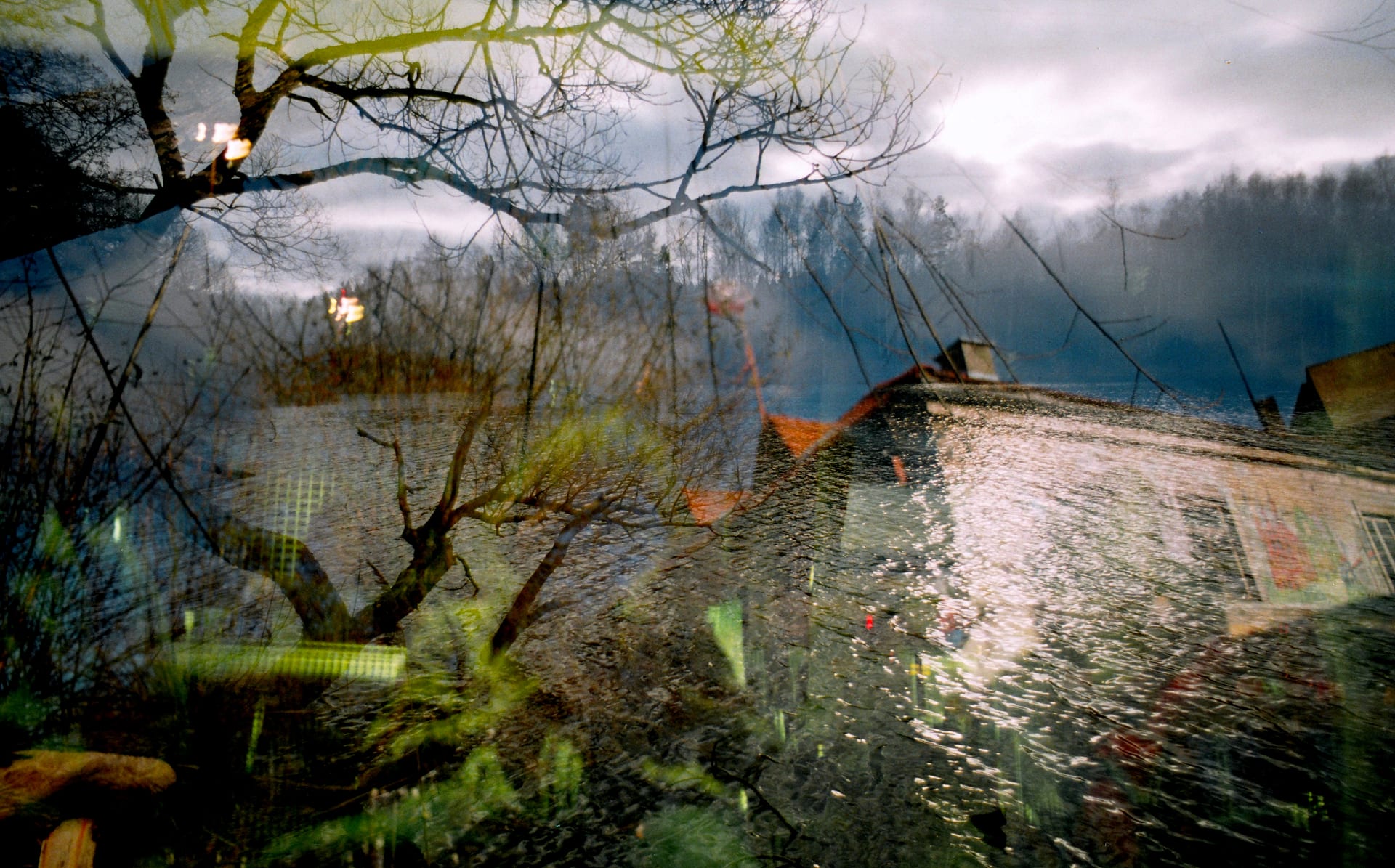
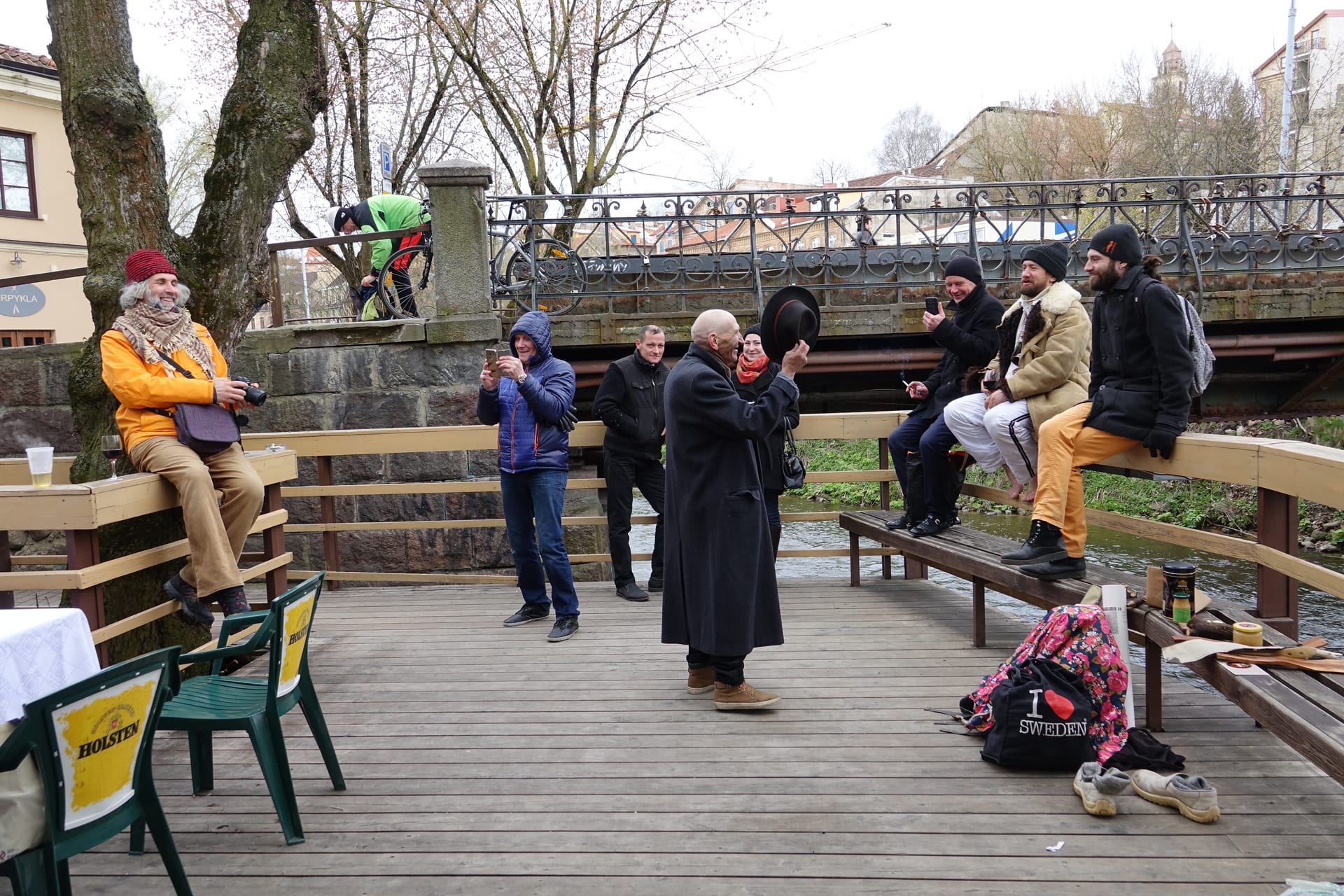
End by returning toward the Vilnelė. The river makes the district legible again after the denser streets, and it gives the walk a natural pause before crossing back into Vilnius.
This is also where a first visit can become a second one: a path not taken, a doorway noticed late, a wall text that asks to be reread.
Practical notes
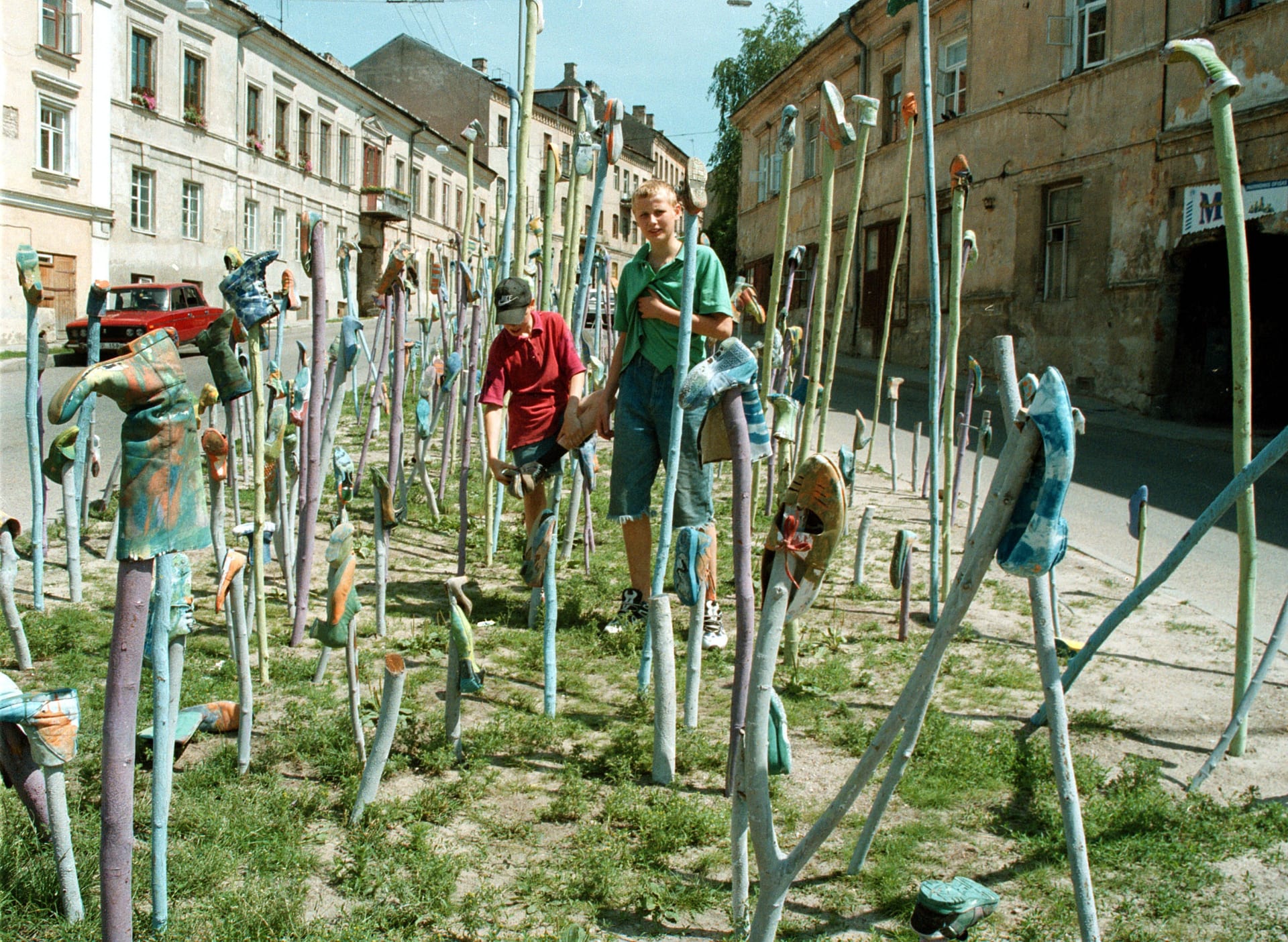
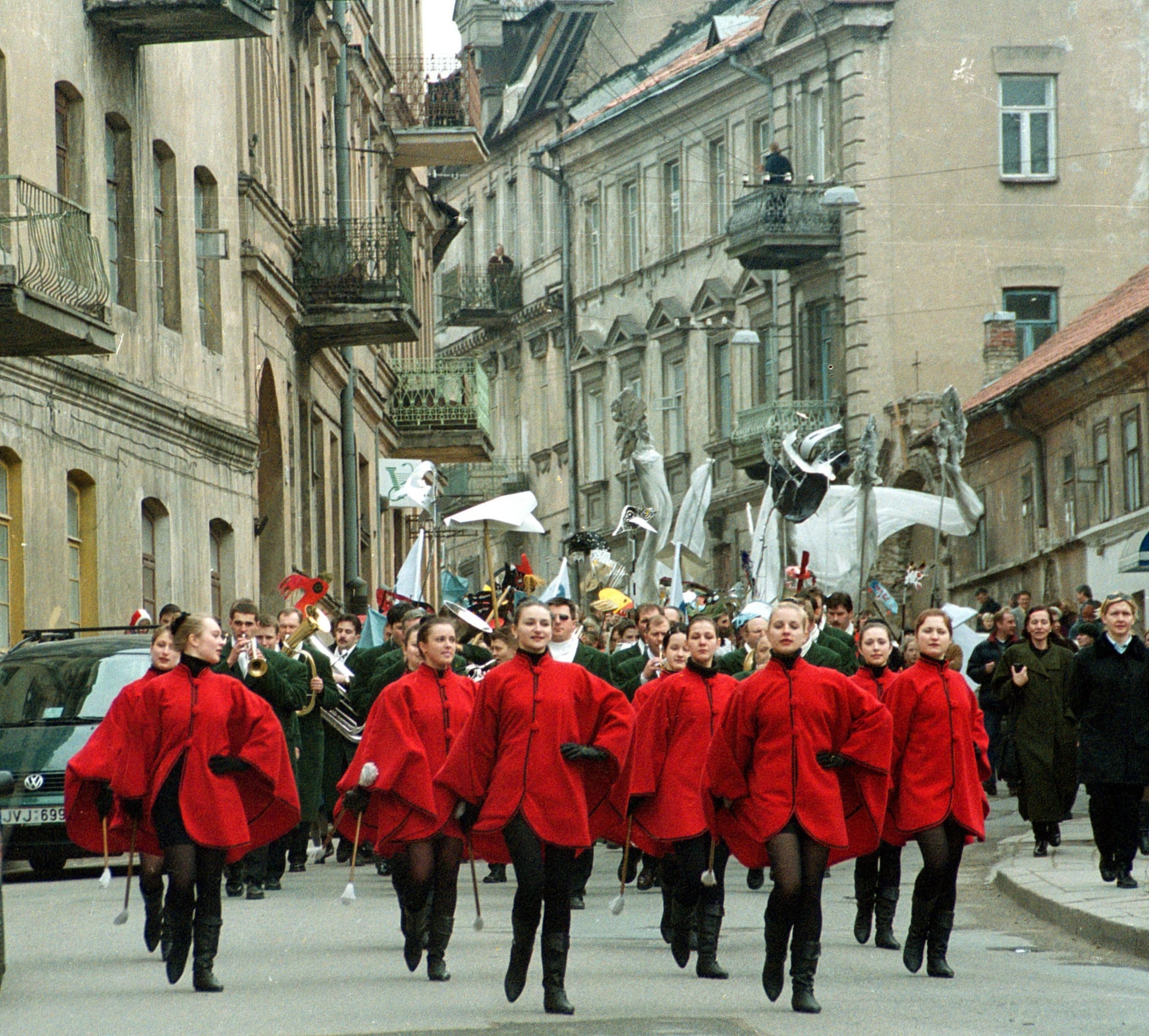
The district is compact, but surfaces vary. Comfortable shoes help, and a slower pace makes the route easier for groups with different walking speeds.
For a first visit, keep the plan simple: one bridge, one square, one wall, one river pause. Everything else can be added without forcing the walk.
See also