Traps: Cosmic Mousetraps and Burned Diaries
Traps is the Užupis New Year at the spring equinox, when stereotypes and diaries accumulated over the year are burned. The same name also belongs to the Republic's sovereignty legend about traps on the bridges.
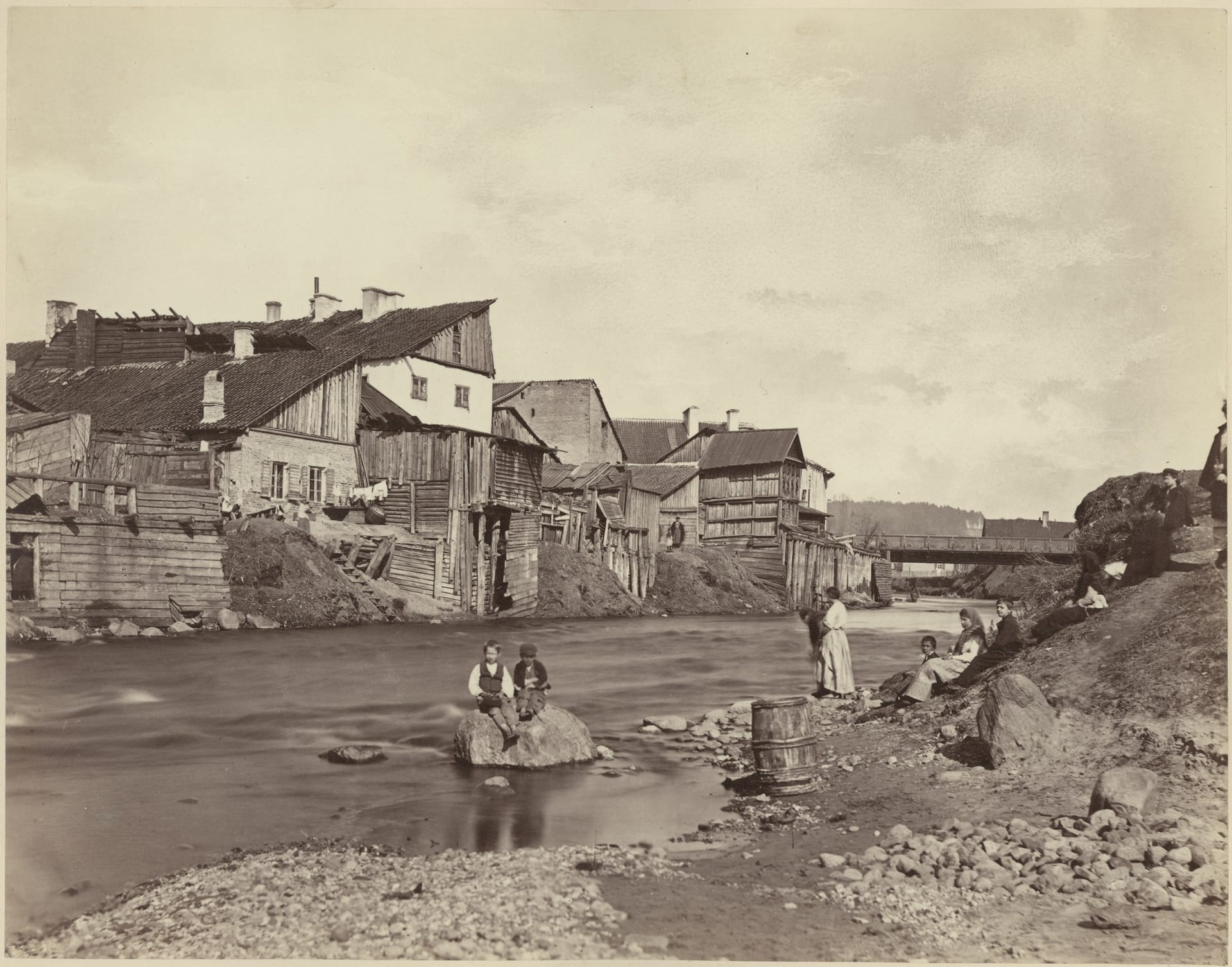
Credits: Užupis photo archive
Traps: Cosmic Mousetraps and Burned Diaries
The word "Traps" has two meanings in Užupis - one festive, the other almost military. Both speak about the same thing: how to get rid of whatever keeps you trapped, whether a rigid habit or an unwelcome visitor.
Užupis New Year
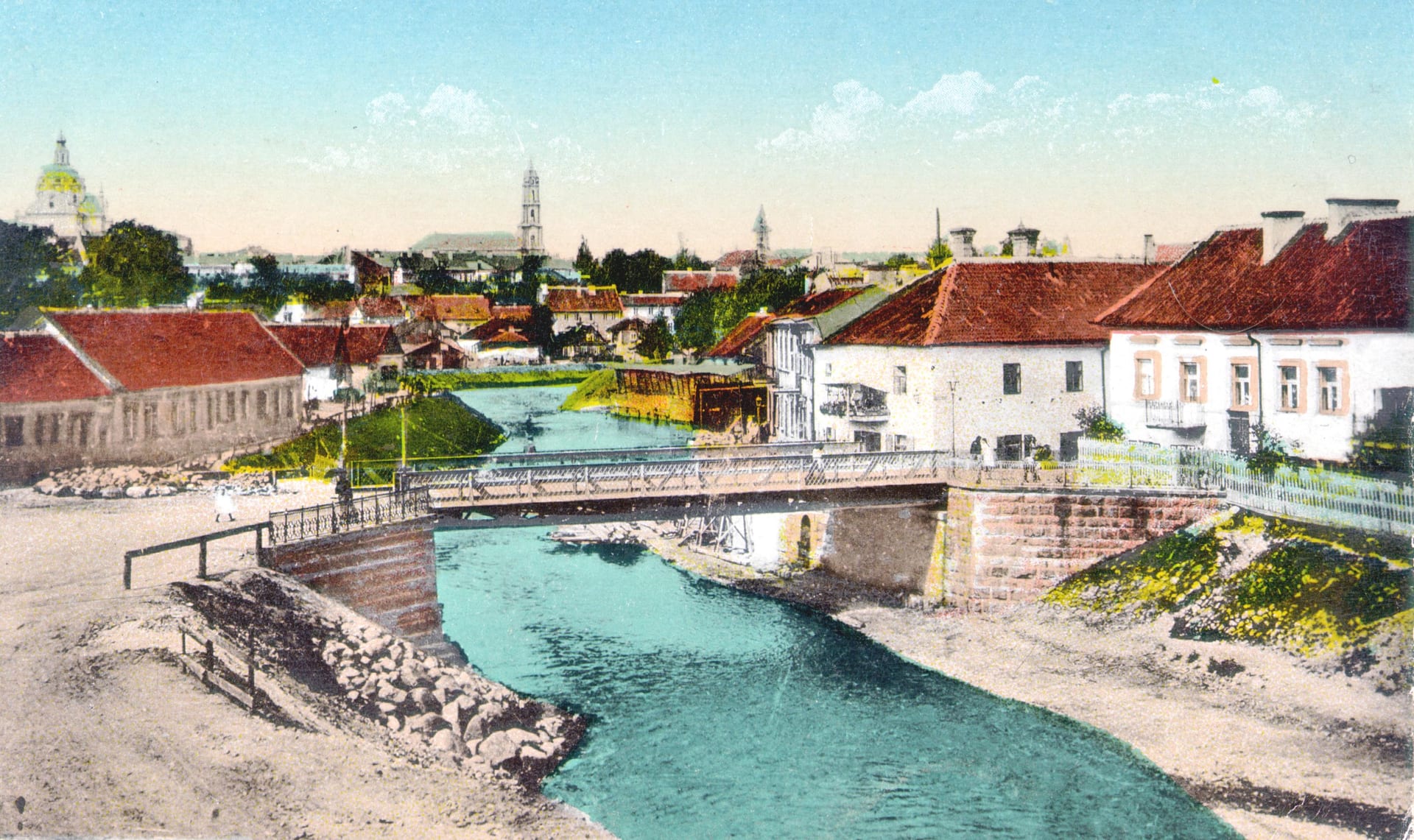
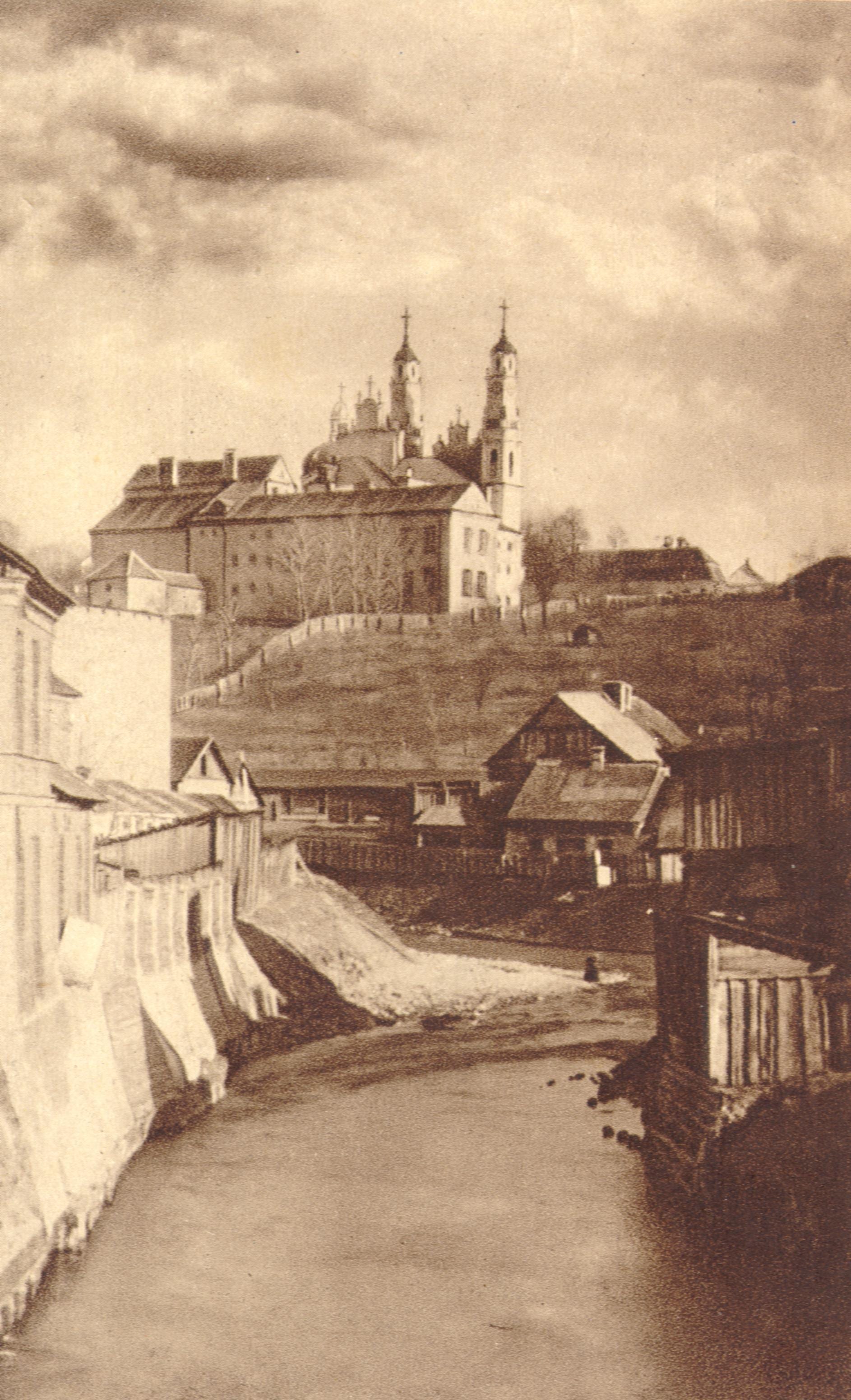
Traps is the Užupis New Year, celebrated at the spring equinox on March 21. It is the opening celebration of the yearly cycle, also called Farewell to Diaries Day. As the Vilnelė frees itself from ice jams at that time, Užupis lets go of stereotypes accumulated over the year - the source of new space.
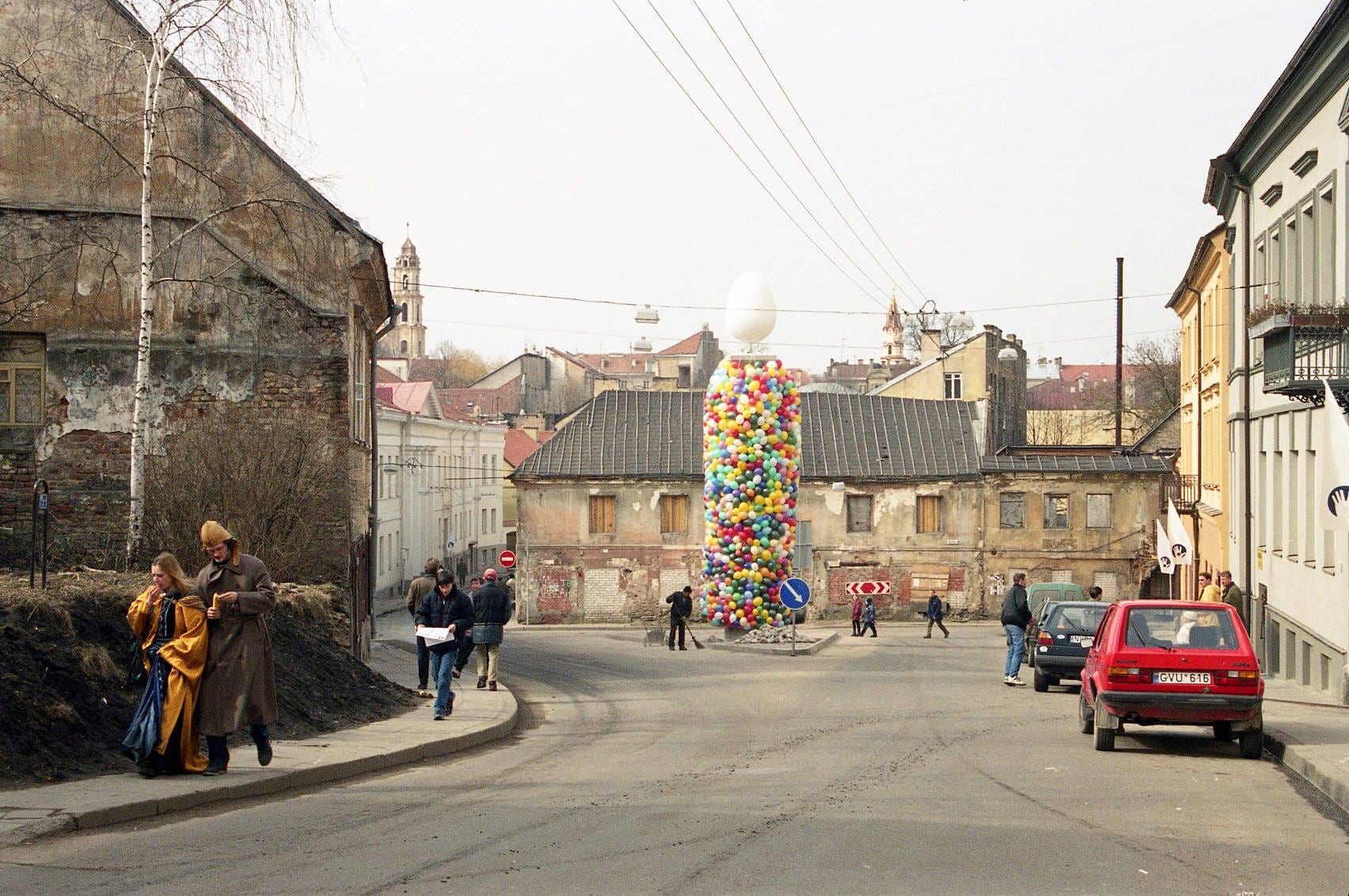
The attributes of the celebration are infinitely large "cosmic" mousetraps and slogan banners, burned together with notebooks, diaries and school exercise books written over the year. The sign of the celebration is coloured clothes pegs, given as tokens of love, sympathy, friendship or disagreement. The first Traps celebration took place on March 21, 1999.
Traps on the Bridges
The same name also lives in a legend of the Republic's sovereignty. It is said that in March 1999, unwilling to accept officials from other countries crossing the border uninvited, "attention-strengthening signs" - traps - were installed on the bridges. Whether they worked left, of course, no clear trace in the reports of other services. After the traps "worked" successfully, on April 1, 1999, the Republic disbanded its eleven-person army and entrusted itself to the care of Heaven.
This is a good example of how Užupis creates history: with a serious face, a flash of irony and a real aim - to remind everyone that sovereignty here is defended not by weapons, but by imagination.
Army and National Interests
On the old website, this theme was preserved as a Lithuanian-language archive of the Republic's sovereignty - a deadpan story about borders, traps, energy, allies and the care of Heaven. It should not be read as military doctrine. It is the Užupis way of speaking about national interests without weapons.
The old text declared that the Republic of Užupis has features of a unique subject of international cosmic law because:
- it cannot control all of its expanding space;
- it cannot define the limits of its influence and is not confined by borders;
- although it has no military capabilities, it successfully pursues its national interests in the world by using every available possibility.
The central formula is: Do not defeat. Do not defend. Do not surrender.
Chronicle of Sovereignty
- 1939 - Military attention. On October 28, soldiers of neighbouring Lithuania paid close attention to the territory of Užupis when a motorised unit headquarters was established in the Olandų Street military town and some soldiers settled in Užupis.
- 1995 - Descent of angels. On the Street of Death, under the care of guardian angels, the first public creative demonstration by the people of Užupis took place, beginning the pursuit of Independence.
- 1998 - First border control. Immediately after Independence was proclaimed on April 1, the Republic of Užupis army crossed to the other bank of the Vilnelė, set up a control post and began controlling the state border for the first time. In the logic of the old text, this made sovereignty real.
- 1999 - Traps and disbanding the army. In March, attention-strengthening signs - traps - were set on the bridges for uninvited border crossers. After they "worked" successfully, on April 1 the country disbanded its eleven-person army, entrusted itself to the care of Heaven and began consistently declaring national interests.
- 2000 - Volunteers and border marks. On March 31, volunteers of LK SKAT 82 battalion swore, with weapons in the streets of Užupis, to defend the values of the Republic. On April 1, officials of Užupis and Lithuania introduced border control for the first time, and official border-crossing marks spread through passports around the world.
- 2002 - Care of the Angel. In March, the Angel descended in Užupis and has guarded the Republic and its citizens ever since. The old text says the field of protection and sound of the horn began to attract neighbouring countries as well.
- Formula of peaceful coexistence. The old material preserved the Republic's sentence to its neighbours: For now Vilnius is yours, but Užupis is already ours, and not one step more.
- 2012 - Energy independence and security guarantees. After an industrial port began operating on the bank of the Vilnelė, Užupis announced steps toward energy independence: shipments of liquefied gas barrels, cutting Vilniaus Energija pipes, rejecting nuclear energy, storing solar energy and insulation reaching the Angel's wings. On June 1, Lithuanian Foreign Minister Audronis Ažubalis publicly reported that he had received NATO guarantees that Alliance aircraft would protect not only Lithuania, but if necessary would fly as far as Užupis.
- 2014 - Aid to Ukraine. In the face of neighbouring countries' political hesitation, the unarmed Republic of Užupis began providing legal and humanitarian aid to fighting Ukraine and its citizens. The old material notes that the personae non gratae list announced by the Republic of Užupis was repeated by many EU countries.
- 2016 - Border and customs. In the view of the old text, holes in the Schengen area's borders made Užupis border control even more relevant, and on April 1 queues at checkpoints became an annual routine. On December 23, Lithuanian customs began selective control of baggage and goods of passengers arriving in Užupis.
- 2018 - Cyber security and musical armament. In May, the Republic of Užupis Cyber Security Centre was established; its methods and results, of course, are not public. In July, the first organised group of US soldiers arrived in the Republic armed only with musical instruments.
- 2019 - Salutes and NATO format. On January 10, Lithuanian Honour Guard soldiers honoured the Republic of Užupis and architect Antanas Vivulskis with salutes, while KASP commander Col. Dainius Pašvenskas did so with a public word. On May 10, the Kingdom of the Netherlands publicly declared national-security guarantees for the Republic of Užupis in NATO format.
Further work: gather photographs of Traps celebrations, examples of banners and clear notes on where documentation ends and Užupis mythology begins.