From Mills and Death Street to the Republic
The history archive of Užupis: from one of the oldest Vilnius suburbs on the road to Polotsk to the artists' republic. Timeline, Independence Days, the Angel, Wind Days, White Tablecloth Day, Traps and the Užupis television archive.
From Mills and Death Street to the Republic
The history of Užupis has two layers. One is real and old: five hundred years of a suburb across the Vilnelė, mills, paper workshops, Jewish merchants, monasteries and cemeteries, Soviet neglect and a 1990s revival. The other is younger and more playful: the chronicle of a Republic where independence is proclaimed on April 1, the army is disbanded and an Angel descends to watch over the city.
This section is where the two layers meet. It will hold archive material: dates, photographs, video and testimony. Below are the entrances into each subject.
The Real Prehistory
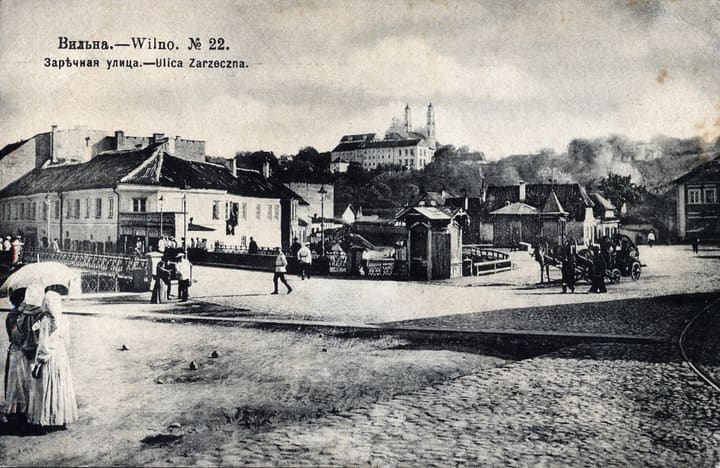
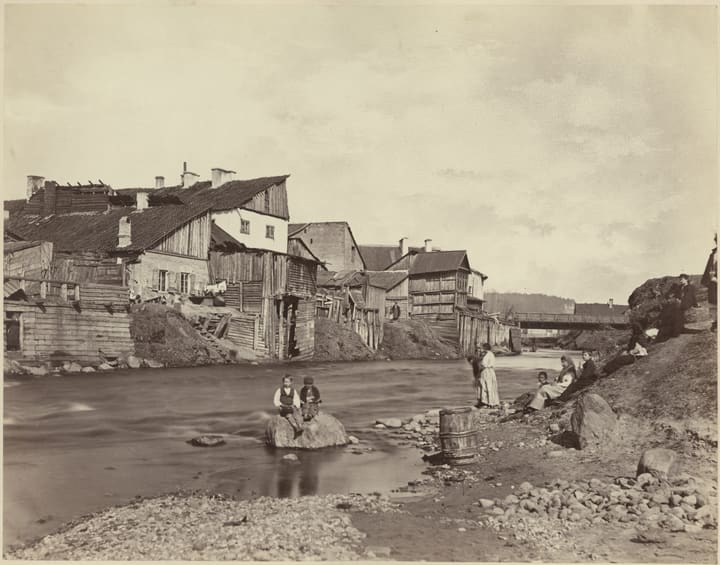
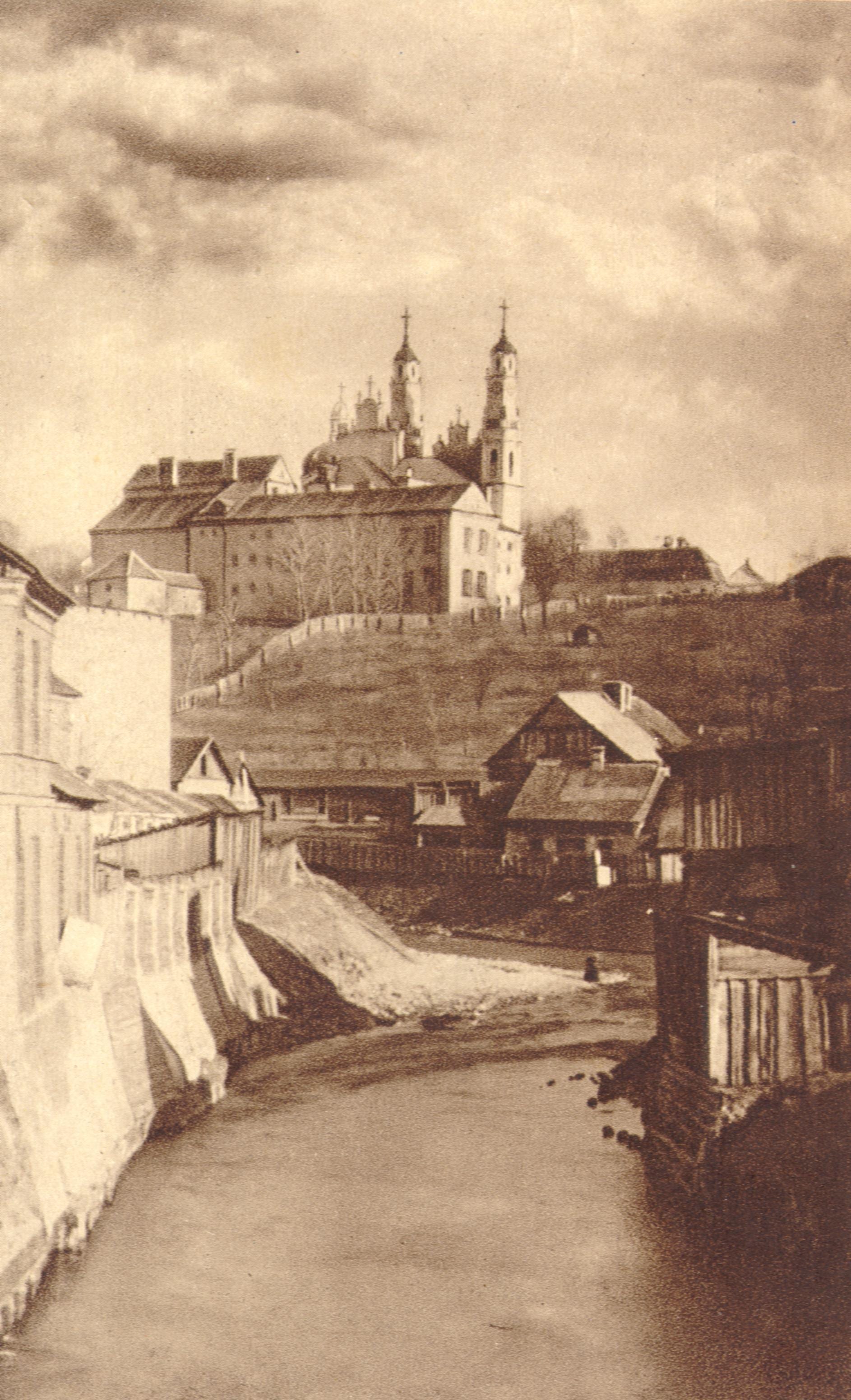
Užupis - "the place beyond the river" - is one of the oldest suburbs of Vilnius, mentioned in written sources as early as the 15th century, when the Bernardine monastery was founded here. The main road east, toward Polotsk and Vitebsk, ran through Užupis. Once the city was enclosed by a defensive wall, the suburb remained beyond it; craftspeople, Slavic merchants, clergy, mills and paper workshops with the watermark of Leonas Sapiega's coat of arms gathered here.
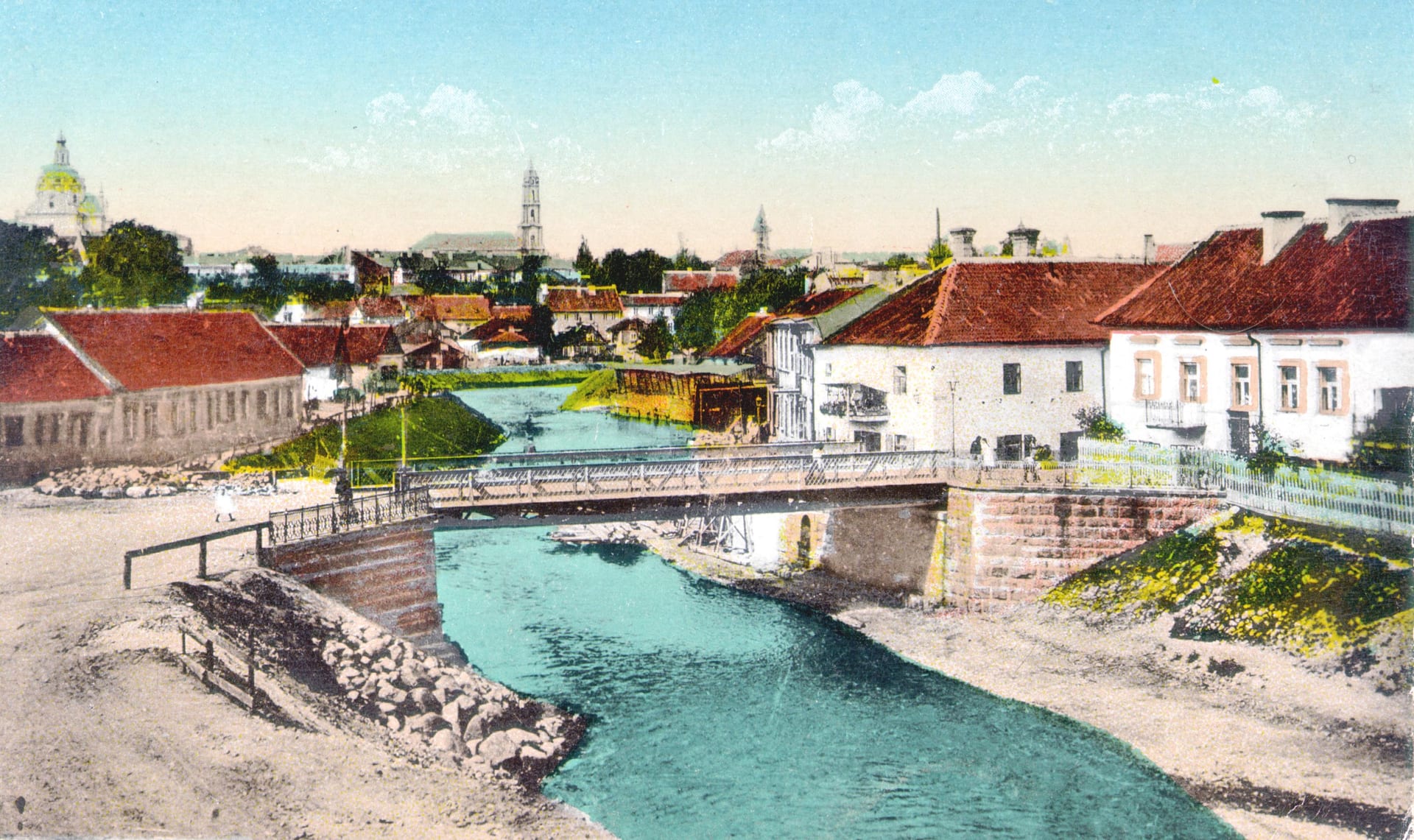
In the 19th century, the beautiful parts of Užupis drew university Philomaths and Philarets (hence Filaretų Street), while the Bernardine Cemetery and the New Jewish Cemetery expanded on the bank of the Vilnelė. In Soviet times Užupis was heavily neglected - without running water, without heating, with collapsing houses. After the Art Academy buildings rose by the Vilnelė in 1981, young people began moving into cheap apartments, and by the 1990s an artistic life was already forming the Republic.
The fuller history of the suburb's architecture, cemeteries, monasteries and people will move into separate pages; it also connects with Visit → Places to see.
Timeline
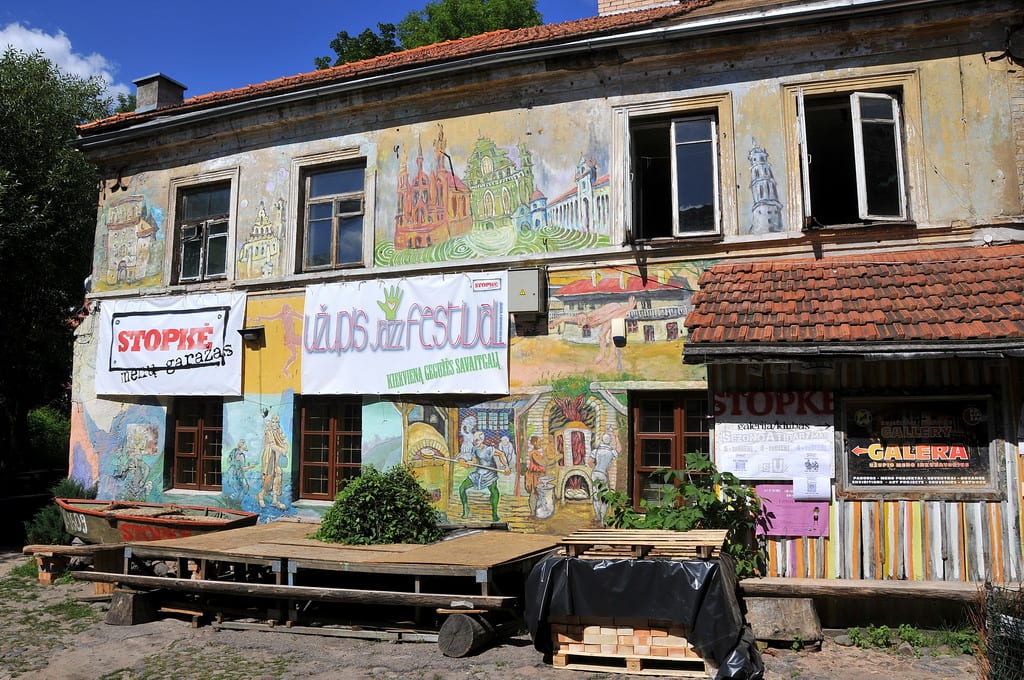
TimelineThe most important dates in one place - from the first documented real-estate transaction in 1641 to the Greek version of the Constitution in 2019. It includes the opening of the Užupis cafe terrace, "where everything began", the start of international recognition and the birth of the EuroUžas.
Independence Days
Independence DaysEach April 1 is its own story: parades, diplomatic receptions, border control and the announcement of a new honorary citizen. This page will become a year-by-year archive.
The Angel of Užupis
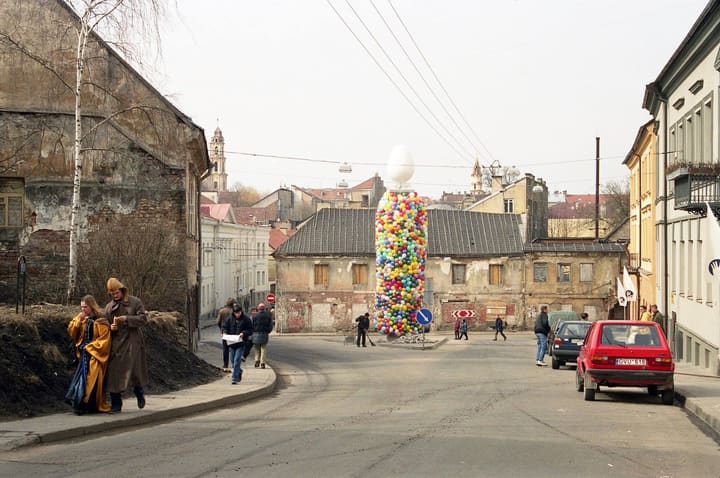
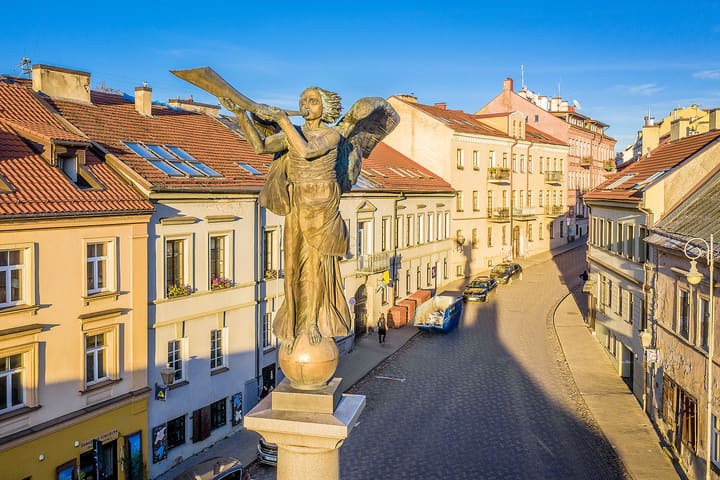
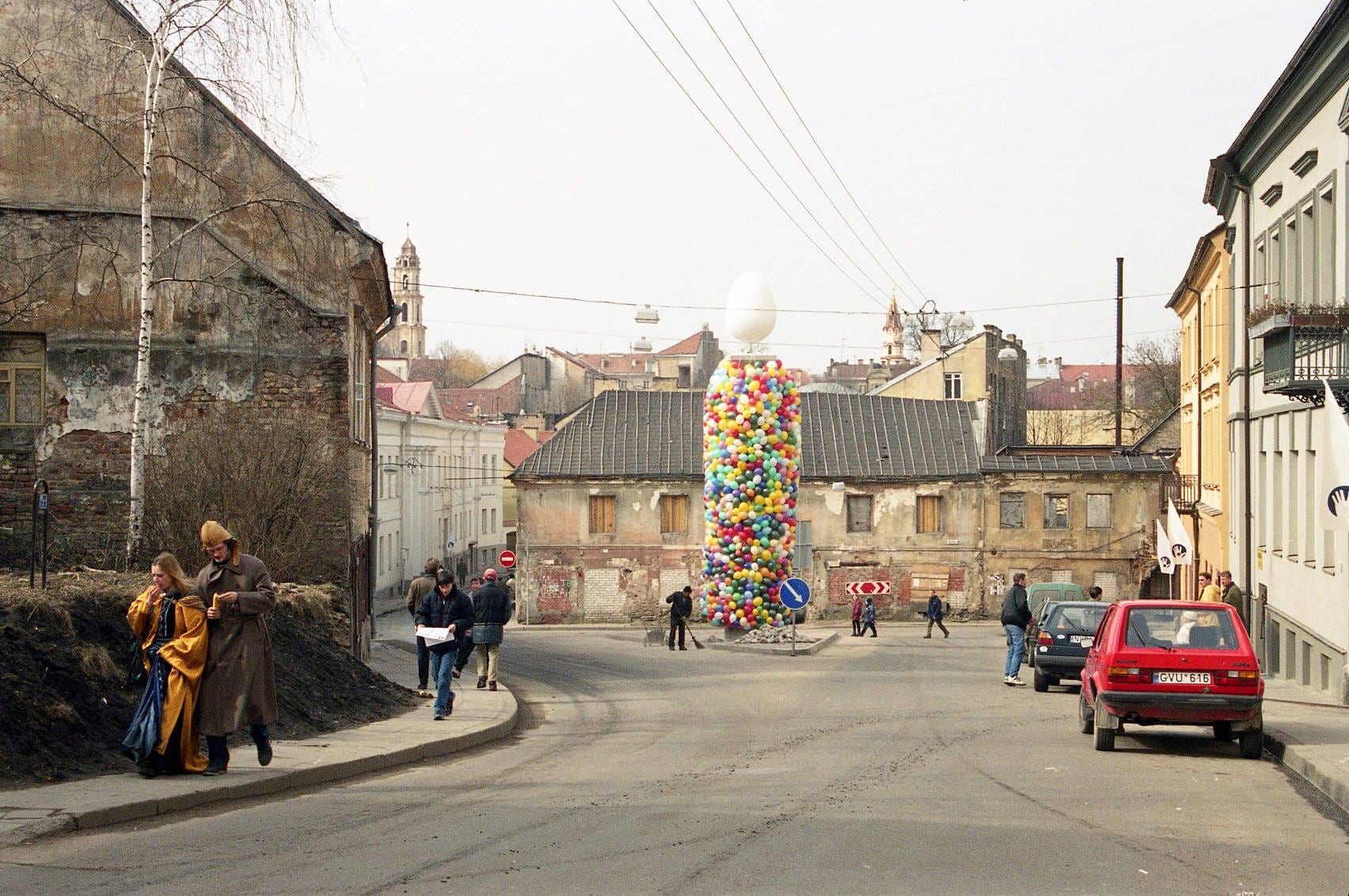
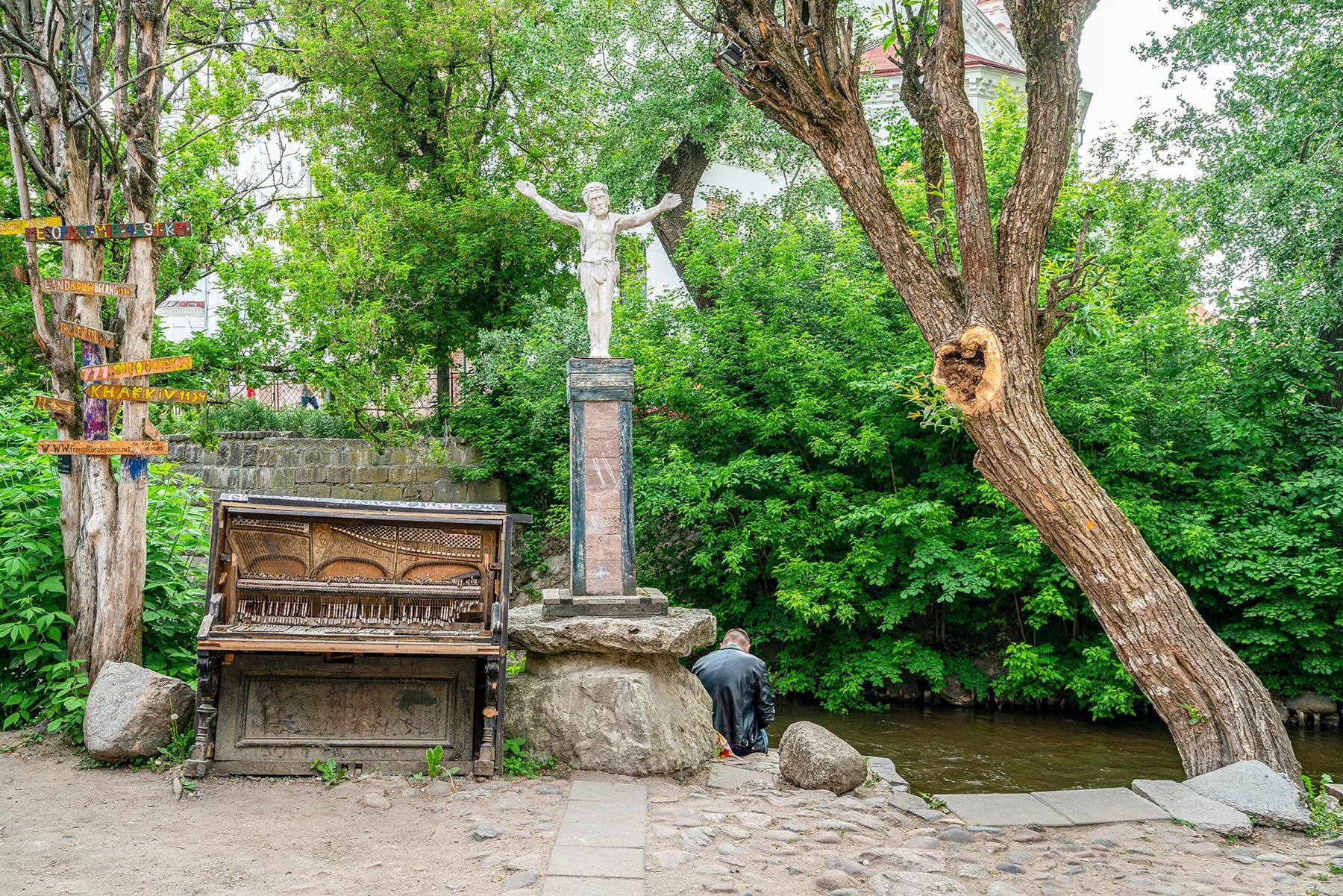
Angel of UžupisIn 2002, in the square where a small chapel once stood, a trumpet-blowing Angel descended. For a year before him, a large egg stood there. This is the brightest symbol of the Republic.
Wind Days
Wind DaysAt least four windy Saturdays after All Souls' Day, full of essays, poetry, jazz, film and blues. They are also called the University of Užupis - the one time of year when stars share light without pay.
White Tablecloth Day
White Tablecloth DayThe freest celebration of the Republic. On the second day of Easter, someone simply covers tables by the Vilnelė with white tablecloths - and all of Užupis sits down together for 45 minutes.
Traps
TrapsThe Užupis New Year at the spring equinox, also known as Farewell to Diaries Day, when stereotypes accumulated over the year are burned. The military "traps" on the bridges are a separate legend of the Republic's sovereignty.
Užupis Television Archive
Užupis Television ArchiveSince 2010, Užupis television has recorded the life of the Republic. Together with older media material, it is the country's main video archive.
Calendar
The old site's year cycle preserved more than April 1. It connected the equinox, birds, Easter, Independence Day, the river, art, All Souls' Day, firewood and Christmas. Some events happen every year, while others depend on the community's mood and initiatives, so current programmes should be checked before visiting.
- March 21 - Traps. The Užupis New Year at the spring equinox, also called Farewell to Diaries Day. As the Vilnelė frees itself from ice jams, Užupis lets go of stereotypes accumulated over the year. The signs of the day are cosmic mousetraps, slogan banners, burned notebooks, diaries and exercise books, and coloured clothes pegs.
- March 30 - Day of 100 Birds. A day for greeting birds and raising nesting boxes. The old programme mentions an origami competition, environmental care and presentations of new creative projects.
- Second Day of Easter - White Tablecloth Day. The freest celebration of the Republic: someone covers tables by the Vilnelė with white tablecloths, and people bring eggs, musical instruments, wine and sun. Officially it lasts 45 minutes, though the old text admits only night sends everyone home.
- April 1 - Independence Celebration of the Republic of Užupis. Flags, parades, a diplomatic reception, exhibitions and concerts. On this day the EuroUžas is valid, border control operates, and visitors' consciences and travel documents are checked.
- May 1 - Fool's Day. The ritual of ploughing Užupis and marking its corners, with the Užupis World Fool Championship in cards. The celebration often begins already on April 1.
- May 15 - Gardens. The Užupis Song Festival, a music festival of school choirs in Užupis Gymnasium and its yard.
- June 9 - Kriviai Separatists' Courtyard Jazz Festival. A tradition started by neighbours Tadas Balčiūnas, Darius Gerasimavičius and Girvydas Duoblys, sometimes continued in autumn as a culinary symposium.
- June 24 - Day of the River. Midsummer. The Great Vilnelė Procession is a kayak route from Užupis to Tahiti; the first stage runs from Pučkoriai dam to the Užupis cafe. Bonfires, river and the shortest, wettest night.
- July 19 - UŽ UPI ART. The creative festival of the Užupis Art Incubator: alternative fashion, unconventional music, artistic expression, water battles, bonfires, love and poetry.
- August 15 - Užupis Culture Night. The event began as the Užupis music festival Night of Flowers and eventually became Užupis Culture Night, with events in the streets of the country.
- November 2 - Nesting Boxes and All Souls' Day. A celebration for making nesting boxes for the next spring, readings of Adam Mickiewicz and the care of Bernardine Cemetery.
- November - Wind Days. At least four windy Saturdays after All Souls' Day, full of essays, poetry, jazz, film, blues and creative freedom. They are also called the University and publishing house of Užupis.
- Second Saturday of December - Firewood Market. A charity day at the old Užupis marketplace: firewood is bought with funds collected by the people of Užupis and distributed to residents in need; good but unnecessary items are given away, with an antiques auction and art exchange. On that day, residents decorate and raise a real Christmas tree.
- December 26 - Christmas and Wakeup. The second day of Christmas: a traditional group photograph of Užupis residents, the For the Year photo competition, Wakeup - the longest night of the year together - and the announcement and presentation of Užupis national prizes.
Army and Sovereignty
The old Lithuanian page preserved a playful but historically useful chronicle of the Republic's national interests: border posts, traps, the disbanded eleven-person army, volunteers, aid to Ukraine, cyber security and NATO-format guarantees. This theme directly extends the Traps legend, so the expanded chronicle now lives on the existing Traps page.
Explore Next